
On this page:
Electric vehicle charging regulatory statement
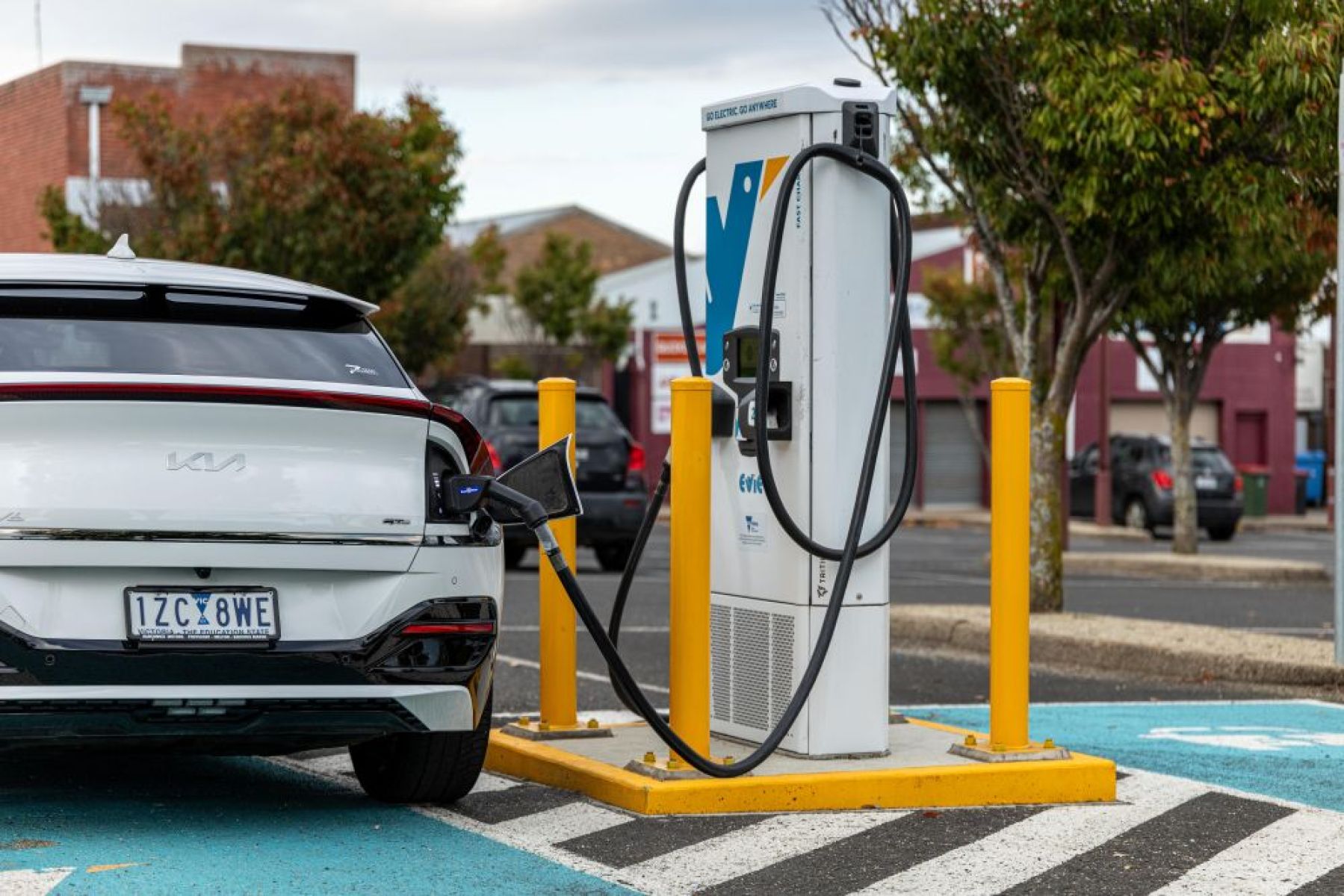
With more than 100,000 electric vehicles (EV) on Victorian roads and market share growing rapidly, the Victorian Government is focussed on supporting the rollout of EV charging infrastructure across the state.
We've heard from industry that there's a range of actions government can take to remove barriers to the EV transition.
That’s why, in April 2026, we released Victoria’s EV charging regulatory statement. The statement sets out new steps that the Victorian Government will be taking to unlock the rollout of more EV chargers and drive the transition to EVs to save households money.
Zero emissions vehicle roadmap
The EV charging regulatory statement builds on the zero emissions vehicle (ZEV) roadmap, which committed Victoria to a target of half of all new light vehicle sales being ZEVs by 2030.
Launched in 2021, the ZEV roadmap introduced a range of successful policies and programs to support the uptake of ZEVs, including:
- Kick starting Australia’s first ZEV subsidy program (now closed), helping more than 10,000 Victorians purchase their first EV, while encouraging more car manufacturers to bring EVs into Australia.
- Supporting businesses and organisations to transition their fleets to ZEVs under the Commercial sector innovation fund, which supported ZEV uptake in the commercial transport sector.
- Delivering hundreds of DC fast charging plugs across Victoria under the Destination charging across Victoria program to help Victorians get to where they need to go.
- Rolling out hundreds of EV charging plugs for council and business fleets, increasing the uptake of EVs in local government and businesses.
- Supporting installation of smart EV charging plugs across 100 Victorian residences, as well as funding the design and trial of a centralised EV charging program for apartments under the Zero emissions vehicle emerging technologies program.
- Transitioning the first 400 government fleet vehicles to ZEVs and introducing a ‘ZEV first’ policy for the government’s fleet to support our commitment that all Victorian Government passenger vehicles and vans be ZEVs by 2035.
- Deploying zero-emission buses on Victoria’s roads under the government’s Zero emission bus transition plan to replace the current diesel fleet of approximately 4,500 buses over the next few decades.
- Releasing an $8 million Victorian freight decarbonisation co-investment program to support industry to transition to low-emissions freight vehicles, as part of the government’s Victorian freight plan 2025-2030.
Our work also includes progress at a national and state level to remove key barriers to ZEV uptake.
We are continuing to work with the Commonwealth Government and other states and territories on the implementation of the National electric vehicle strategy and the New vehicle efficiency standard.
Why zero emissions vehicles?
ZEVs are a key part of Victoria’s climate change strategy and achieving our interim targets on the path to net-zero by 2045.
The transport sector is one of Victoria’s largest and fastest growing sources of greenhouse gas emissions, accounting for around a quarter of total emissions.
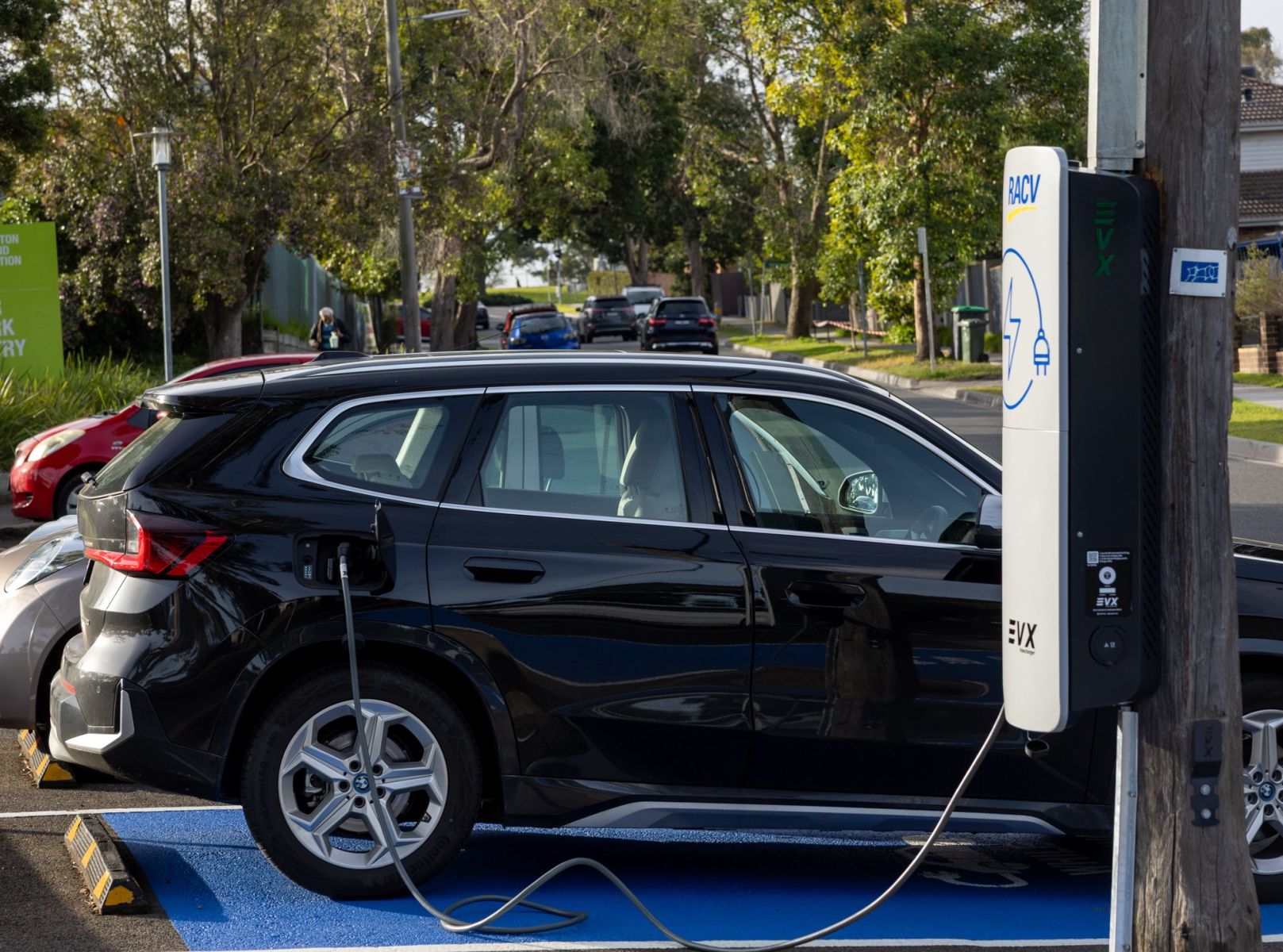
ZEVs produce no greenhouse gases or other air pollutants, with battery electric vehicles currently the most common and advanced ZEV technology in Australia and globally.
ZEVs are cheaper to run and maintain, especially when charged at home during the day using free solar power from the sun and when electricity from the grid is cheapest.
By switching to ZEVs, we can cut harmful emissions, reduce air pollution, and make our cities and towns cleaner, healthier, and more liveable.
Page last updated: 16/04/26