
On this page:
Restricted ceiling spaces
Entering restricted spaces (such as ceiling cavities) can present several hazards. As part of installing ceiling insulation, it is unavoidable for workers to enter a restricted ceiling space. This means that protective measures need to be put in place.
Hazards can include:
- Noise: Noise reverberates inside enclosed spaces, raising the risk of future hearing loss.
- Dust: Ceiling spaces are often dusty, raising the risk of respiratory problems unless adequately managed.
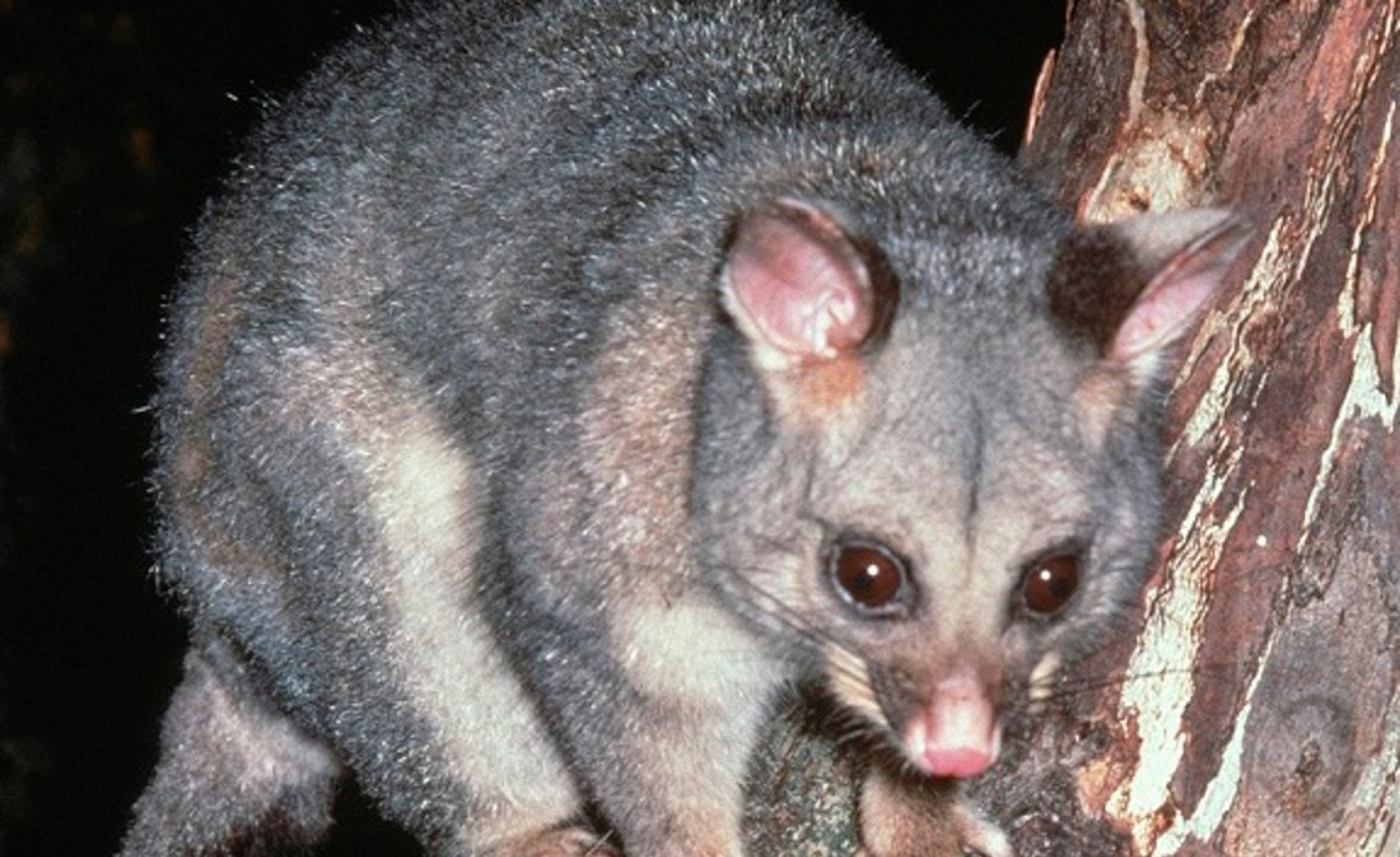
- Animals: Vermin such as rats, possums, birds or insect infestations can be present in ceiling cavities, with the potential for bites and stings and exposure to animal droppings.
- Reduced air flow: Poor ventilation and lack of air movement can reduce the ability of the body to cool down.
- Excessive heat: Ceiling spaces are subject to artificial extremes in temperature due to radiant heat from the sun, which can result in internal temperatures of more than 50 degrees Celsius.
- Ergonomic: Positioning bodies in certain ways to fit into narrow spaces.
The risks of reduced air flow and excessive heat in ceiling spaces is covered in 2.3 – Working with heat in ceiling spaces. Please refer to that guidance sheet for more information.
Managing risks in restricted ceiling spaces
This guidance sheet covers how to identify, assess and manage the risks of working in ceiling spaces.
Risk: Noise
Ceiling spaces can become quite noisy due to being enclosed. When equipment is used as part of a ceiling insulation installation, noise may reach hazardous levels, requiring mitigation.
| Risk | Information |
|---|---|
| What are the risks? | Installing ceiling insulation inside ceiling spaces can be quite noisy because:
Employees must not be exposed to noise levels exceeding an 8-hour average of 85 dB(A) or a peak noise level of 140 dB(C). Note: dB(A) and dB(C) are standard measurements of sound. dB(A) is used to assess average noise exposure, while dB(C) is used to measure peak or impact noise. |
| Assessing the risk |
Consider the likelihood, nature and severity of potential consequences.
Document the hazards, controls and systems of work in the Job Safety Analysis (JSA) or equivalent risk assessment process. |
| Methods to reduce the risk | Key methods to reduce noise exposure include:
|
For more information on noise, please see the Compliance code for noise from WorkSafe.
Risk: Vermin
Ceiling spaces often contain vermin, which can pose risks to workers if disturbed. In addition, vermin such as possums or rats may chew through electrical wires, potentially exposing workers to live wires.
| Risk | Information |
|---|---|
| What are the risks? |
Vermin commonly inhabit ceiling spaces because they are rarely accessed by people. However, this can pose several risks to workers.
|
| Assessing the risk | If vermin are present and pose a hazard, undertake a risk assessment that considers the likelihood, nature and severity of the consequences. Record the identified hazards, controls and systems of work in the JSA (or equivalent risk assessment process). This should include checking cabling for damage before work commences. |
| Methods to reduce the risk |
Key methods to reduce risk from vermin exposure include:
|
Risk: Dust
Ceiling spaces are often dusty, which when disturbed can reduce air quality. As ceiling spaces are restricted, there is no way for dust to be cleared through airflow, which can result in dusty and unsafe conditions.
| Risk | Information |
|---|---|
| What are the risks? |
Breathing in excessive amounts of dust is a known health hazard with significant impacts. The severity of these issues depends on:
|
| Assessing the risk |
If dust is present and poses a hazard, assess the likelihood, nature and severity of potential consequences and implement appropriate control measures.
Dust exposure alone does not constitute high-risk construction work. If asbestos-containing material is identified, work must cease and be managed in accordance with asbestos regulatory requirements. For information on when Safe Work Method Statements are required, refer to WorkSafe Victoria. |
| Methods to reduce the risk |
Key methods to reduce dust exposure should follow the hierarchy of controls, with higher-order controls implemented wherever reasonably practicable before relying on personal protective equipment (PPE). These methods include:
|
Ongoing risk management
An employer, or person with management and control of a workplace, needs to ensure that measures implemented to control risks associated with working in ceiling spaces are reviewed. This needs to be done when:
- the conditions in the roof change or a new hazard is identified
- the control measures (such as PPE) are insufficient to manage and control the risk.
Employers need to also review, and if necessary, revise control measures after receiving a request from a Health and Safety Representative (HSR).
As a ceiling insulation installer, you will be entering restricted ceiling spaces daily. Awareness of the various risks highlighted in this technical guidance sheet is crucial to ensure ongoing safety while installing insulation.
Continue through the guidance series
Page last updated: 01/10/26