
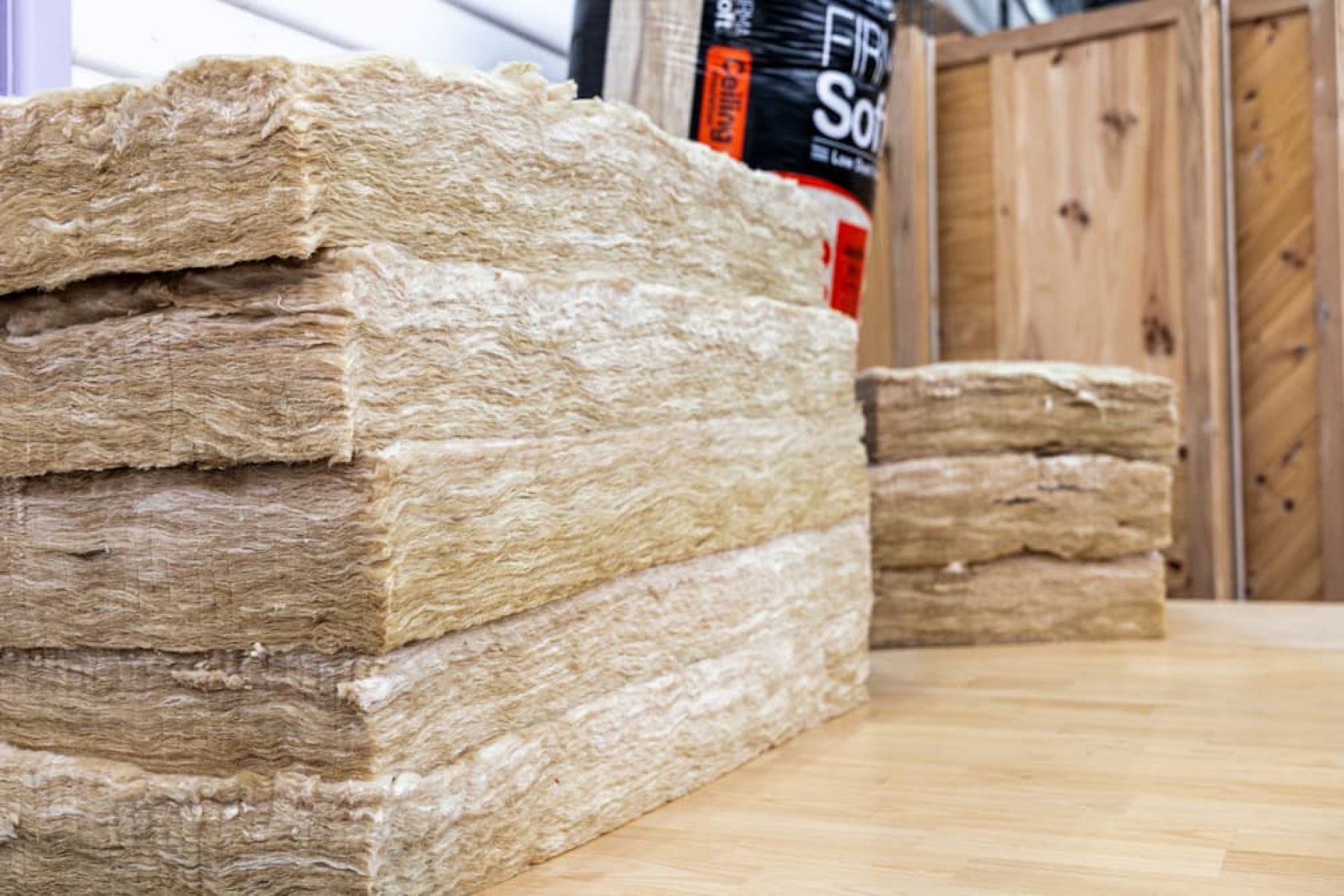
Research from the Victorian Healthy Homes Program shows a well-insulated home can reduce heating and cooling costs by around 40 to 50% compared to a home without insulation.
Explore the benefits of installing ceiling insulation and how it can improve comfort, lower energy bills and reduce your home’s environmental impact.
Good thermal performance
Installing ceiling insulation in new or existing homes helps create a more comfortable living environment year-round. The Victorian Healthy Homes Program found energy efficiency and thermal comfort upgrades, including insulation, were associated with reduced condensation in homes.
Additional benefits include:
- Improved comfort in all seasons: Well-installed insulation, combined with low air leakage, helps keep homes warmer in winter and cooler in summer.
- Greater energy efficiency: Ceiling insulation reduces the amount of energy needed for heating and cooling, helping Victorian households lower their energy use and emissions.
- Fewer draughts and a healthier indoor environment: Reducing air leakage can minimise cold draughts that enter through gaps in a home's structure, making living spaces more comfortable and easier to maintain at a consistent temperature.
Low risk of condensation
Areas that are missing insulation or contain thermal bridges can cause surfaces to be cooler than their surroundings. This can cause condensation, which could result in mould and mildew. Mould and mildew pose a significant risk to the health of the home’s occupants. Read how upgrading your ceiling insulation can improve health and wellbeing.
Lower energy bills
Homes that are well sealed and insulated are easier to heat and cool, as there is a lower rate of air-change with the outside. This means less reliance on heating and cooling systems, which reduces energy use and energy bills. Discover the cost-of-living benefits of ceiling insulation.
Support more efficient heating and cooling
Well-insulated homes need less heating in winter and less cooling in summer, reducing the demand on heating and cooling systems throughout the year. Because these systems don't have to work as hard or run as often, they experience less wear and tear, which can help extend their lifespan and reduce maintenance and replacement costs. Longer-lasting equipment also means fewer new systems need to be manufactured and installed, helping to reduce environmental impacts over time.
VEU-approved insulation products must meet strict safety and performance standards. A range of eligible products is available, including Australian-made options, and your installer can help you choose the best fit for your home.
All approved products are listed on the Essential Services Commission's Public Registry. For more information, see the ceiling insulation requirements for industry page.
When is a good time to upgrade your ceiling insulation?
Depending on your home, insulation can be retrofitted without major renovations. It should be included in new builds or during major renovations, when it is easier to install.
Your home upgrades can work together to boost your comfort and savings. By improving insulation, you can install a smaller more efficient heating and cooling system.
Then if you add solar for example, you could cover that reduced energy load without oversizing your appliances or panels. Read more in this article with realestate.com.au.
Looking to upgrade your ceiling insulation now?
The VEU ceiling insulation activity has expanded to all eligible Victorian homes with uninsulated or under-insulated ceilings. Discounts are applied upfront, so you only pay the remaining amount.
Renters can access many discounts, but some upgrades, like heating, cooling and insulation will require landlord approval.
How to get a discount
Choose a ceiling insulation upgrade and an accredited provider on the ceiling insulation discount page. All insulation upgrades under this activity must be installed by a suitably trained and certified installer. The accredited provider will also confirm that the products being installed are approved under the VEU program.
The accredited provider may complete the installation themselves or work with a partner installer. If the installation is being completed by a partner installer, you will still need to enter into an agreement with the accredited provider unless the installer is acting as the accredited provider's agent.
The accredited provider, or their installer, will:
- confirm your home is eligible for the discount
- assess the existing insulation and installation requirements
- provide a quote that includes the discount
- arrange and complete the installation
- handle the required paperwork and provide any relevant documentation.
If you choose your own installer, they must work with an accredited provider for you to receive the VEU discount.
Page last updated: 06/10/26