
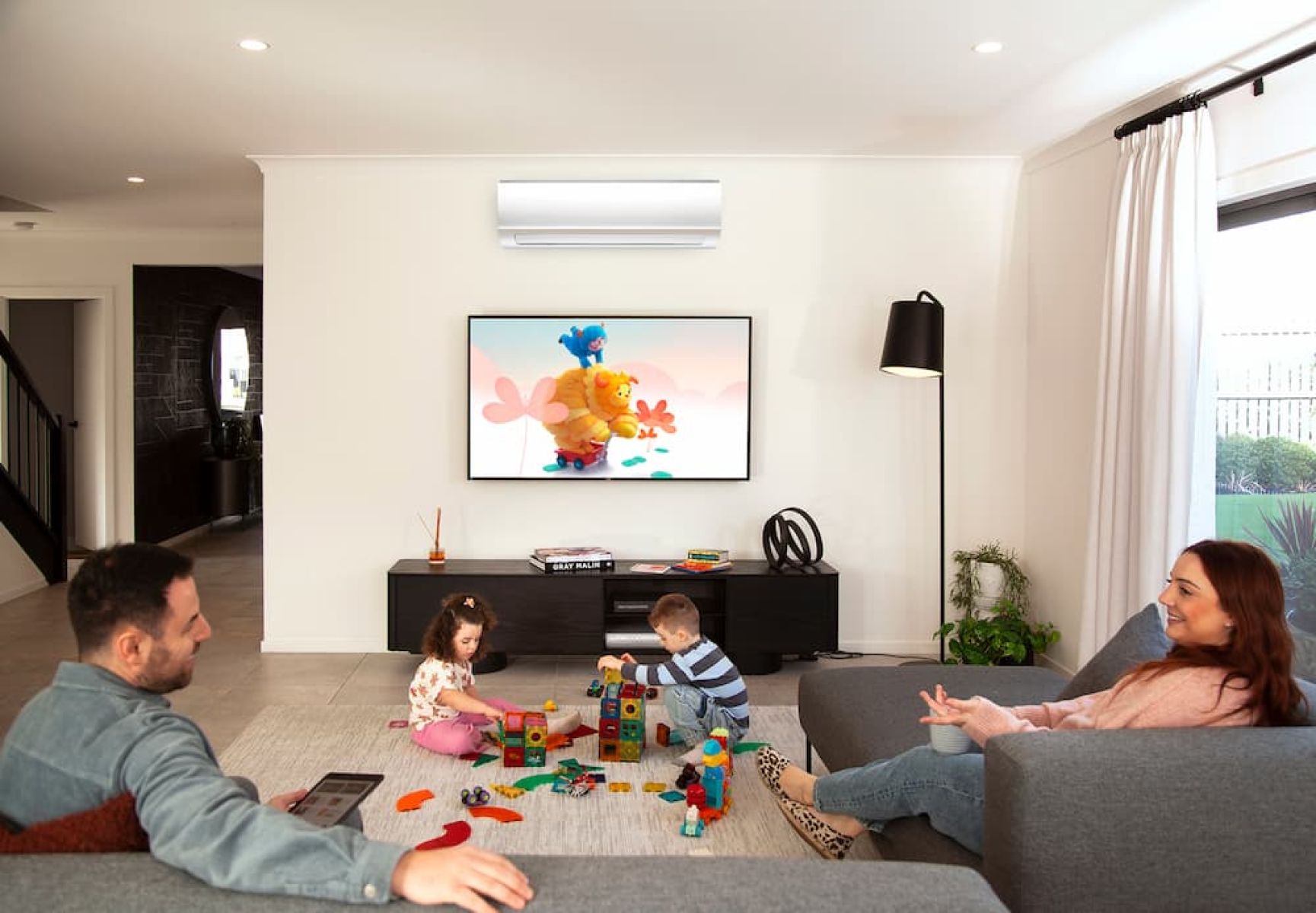
Research from the Victorian Healthy Homes Program found that energy efficiency and thermal comfort upgrades, including ceiling insulation, draught sealing and efficient heating, improved home warmth and comfort and were associated with a range of health and quality of life benefits.
These benefits come from a combination of upgrades, such as insulation, draught sealing and efficient heating, working together to retain heat.
Warmer homes, safer living conditions
The study found homes that receive energy upgrades, including insulation, were noticeably warmer. Other findings included:
- Average indoor temperatures increased across winter, particularly in the morning when temperatures are at their coldest
- Households were more than twice as likely to report their home feeling warmer
- Even a small increase in temperature made a difference to comfort levels, and reduced exposure to cold conditions, which is an important factor in maintaining health during winter.
Less exposure to the cold
Upgraded homes reduced the amount of time residents were exposed to unhealthy indoor temperatures.
- Households spent around 43 minutes less per day below 18°C, the threshold commonly associated with health risks.
- Reducing prolonged exposure to cold indoor environments can help lower risks associated with winter conditions, particularly for older people and those with existing health concerns.
Better respiratory health
Cold, damp homes are strongly linked to respiratory problems. By improving how homes retain heat, energy upgrades can help create more stable indoor conditions.
The study found that people living in upgraded homes reported reduced breathlessness over winter, a key symptom affecting many respiratory conditions.
While asthma control and Chronic Obstructive Pulmonary Disease (COPD) symptoms did not change significantly, this improvement in breathlessness is an important indicator of better day-to-day respiratory wellbeing.
Energy upgrades, including ceiling insulation, can also help reduce moisture issues in the home.
The study found that households receiving energy efficiency and thermal comfort upgrades, including insulation, were 48% more likely to report reduced condensation and 37% more likely to report reduced dampness or musty odours.
By helping maintain more consistent indoor temperatures, ceiling insulation can contribute to reducing the conditions that lead to condensation and dampness.
Improved mental wellbeing and quality of life
Living in a cold home can affect comfort, stress levels and lead to social isolation.
The study found participants reported improvements in the following areas after the upgrades:
- Mental wellbeing
- Social participation and daily living conditions
Warmer, more comfortable homes can make it easier for people to maintain routines, feel comfortable inviting others over, and worry less about staying warm.
Supporting everyday life
People living in warmer homes experienced fewer disruptions to their daily activities, with fewer days where health limited what they could do.
This can make it easier for people to stay active and maintain their independence.
Although this result was not statistically significant, it points to a broader benefit: homes that are easier to live in and support independence.
Ready to upgrade your ceiling insulation?
The VEU ceiling insulation activity has expanded to all eligible Victorian homes with uninsulated or under-insulated ceilings. Discounts are applied upfront, so you only pay the remaining amount.
Renters can access many discounts, but some upgrades, like heating, cooling and insulation will require landlord approval.
How to get a discount
Choose a ceiling insulation upgrade and an accredited provider on the ceiling insulation discount page. All insulation upgrades under this activity must be installed by a suitably trained and certified installer. The accredited provider will also confirm that the products being installed are approved under the VEU program.
The accredited provider may complete the installation themselves or work with a partner installer. If the installation is being completed by a partner installer, you will still need to enter into an agreement with the accredited provider unless the installer is acting as the accredited provider's agent.
The accredited provider, or their installer, will:
- confirm your home is eligible for the discount
- assess the existing insulation and installation requirements
- provide a quote that includes the discount
- arrange and complete the installation
- handle the required paperwork and provide any relevant documentation.
If you choose your own installer, they must work with an accredited provider for you to receive the VEU discount.
Page last updated: 06/10/26