
On this page:
About asbestos-containing material
Asbestos-containing material (ACM) is any manufactured material or object that contains one or more of the mineral silicates belonging to the serpentine or amphibole groups of rock-forming minerals (other than plant in which asbestos is fixed or installed), including:
- chrysolite (commonly known as white asbestos)
- crocidolite (commonly known as blue asbestos)
- grunerite or amosite (commonly known as brown asbestos).
Asbestos was widely used in Australian buildings and construction between the 1940s and 1980s because of its low cost, fire resistance, durability and insulating properties.
Physical types of asbestos
Asbestos found in homes, businesses and industrial environments is either one of 2 classes.
Friable asbestos – can be easily crumbled, pulverised or reduced to a powder by hand pressure. This includes asbestos contaminated dust or debris (ACD).
A Class A licensed asbestos removalist is required for the removal of friable asbestos and is also authorised to remove non-friable asbestos. Class A licence holders may be subject to specific regulatory limitations related to the type and scope of asbestos removal work being undertaken.
Non-friable asbestos – when dry, may not be crumbled, pulverised or reduced to powder by hand pressure.
A Class B licensed asbestos removalists is authorised to remove non-friable asbestos only. Class B licence holders may also be subjected to regulatory limitations related to type, condition, or quantity of asbestos-containing materials that can be removed.
If a property you are engaged to work at was built or renovated prior to 1990, it is likely to contain some asbestos building materials, whether easily accessible or not.
How asbestos can affect you
Generally, the presence of asbestos does not pose health risks unless it is disturbed during asbestos-related activities that produce dust containing asbestos fibres. Inhalation of any type of asbestos fibre is a serious health risk. It can lead to diseases such as:
- Mesothelioma – a type of cancer in which malignant cells are found in the lining of the chest or abdomen.
- Lung cancer – forming in tissues of the lung, usually in the cells lining air passages.
- Asbestosis – directly caused by breathing in asbestos fibres, leading to scarring and permanent damage to lung tissue. Asbestosis increases the risk of lung cancer and malignant mesothelioma.
Asbestos-related diseases have a devastating health effect and are often fatal. Treatments are largely ineffective and there can be a delay of many years between first exposure to asbestos fibres and any symptoms of these diseases.
Ceiling insulation installers are at a high risk of exposure to asbestos due to many installations occurring as retrofits in older homes that often contain asbestos.
Duties under the occupational health and safety legislation
The Occupational Health and Safety Act 2004 and the Occupational Health and Safety Regulations 2017 is known as OHS legislation. OHS legislation sets out duties relating to asbestos to control risks associated with asbestos. These duties apply to:
- employers
- self-employed persons
- people who manage or control workplaces
- employees.
These duties relate to:
- managing asbestos in workplaces
- working with asbestos
- removing asbestos.
More information about your asbestos-related duties under OHS legislation can be found at:
- Occupational Health and Safety Act 2004
- Occupational Health and Safety Regulations 2017
- Compliance code: Managing asbestos in the workplace
- Compliance code: Removing asbestos in the workplace.
For more information on working in domestic properties see the Asbestos in Victoria website.
Figure 1: The 4-step risk management process
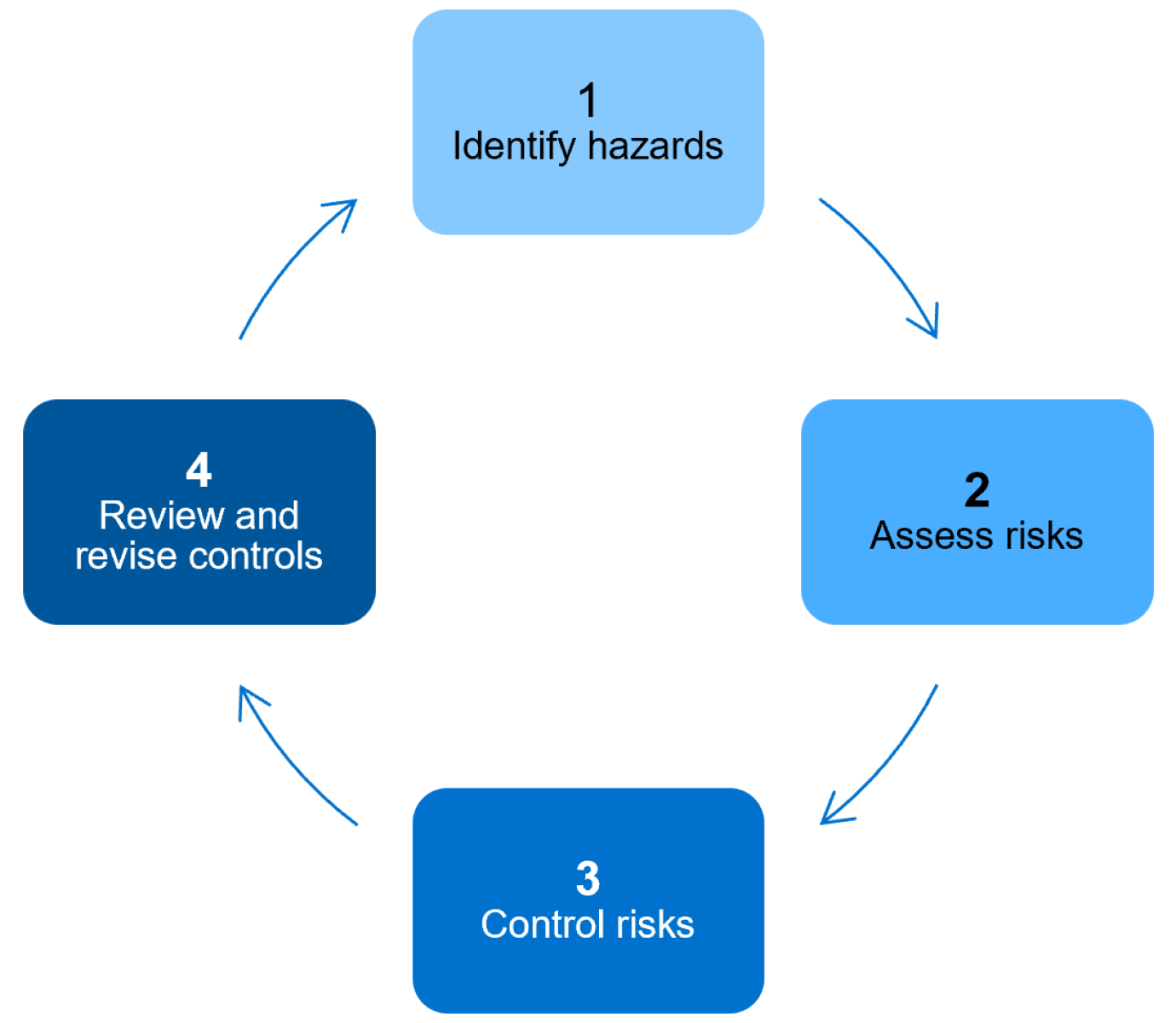
Step 1: Identify hazards – identify asbestos under your control
Before commencing work, employers need to identify whether ACM is present, or is likely to be present, in areas that may be accessed or disturbed during ceiling insulation installation.
When working at a property built or renovated before 1990, ACM may be present. Information about the age of the building, previous renovations and the location of building materials may assist in identifying areas where ACM may be located.
Where reliable information about the presence of ACM is not available, a visual inspection by a suitably competent person may assist in identifying ACM.
If any uncertainty arises about the presence of ACM, or if there are inaccessible areas likely to contain ACM then it must either be assumed that ACM is present, or a sample must be analysed by a National Association of Testing Authorities (NATA) accredited testing facility.
While not exhaustive, the following is a list of locations where ACM can be found in a building or structure:
- switchboard backing and insulation
- fuse holder flash arrestor
- woven cable sheath
- ceiling access covers
- sprayed insulation
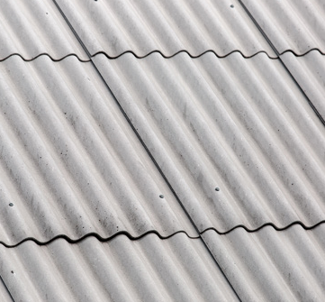
- roofing, gutters, ridge caps, flashing
- bituminous roofing membranes
- eaves and soffits
- flue pipes
- walls, ceilings, mouldings
- hot water systems
- putties, sealants and adhesives
- flooring, such as vinyl sheet backing and vinyl tiles.
Figure 2.1: Sprayed asbestos insulation
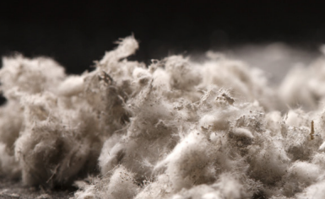
Figure 2.2: Asbestos-based switchboard backing, commonly used across Australia
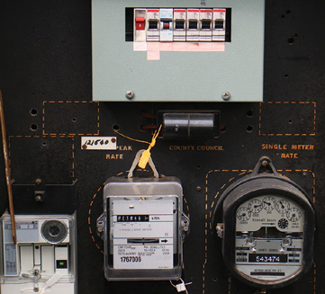
Figure 2.3: Asbestos cement sheet roofing
Step 2: Assess risks – determine the risk of exposure to asbestos fibres
If ACM is in good condition and left undisturbed, the risk of asbestos fibres becoming airborne is low. This is also influenced by the type of bonding material used to bind the asbestos. If ACM has suffered degradation, been disturbed or if any ACD is present the risk increases accordingly. The risk of exposure to asbestos fibres can be assessed by determining:
- the location of the asbestos
- the type of ACM
- whether the asbestos friable or non-friable
- the condition of the ACM
- any work activities that may affect or cause damage or deterioration to the ACM.
Common ACM that may be encountered during ceiling insulation installations include:
| Friable | Non-friable |
|---|---|
| Sprayed loose-fill insulation | Asbestos cement roof/wall sheet |
| Sprayed coatings | Asbestos cement soffit sheet |
| Asbestos Contaminated Dust or Debris | Super Six roof sheet |
| Asbestos Ropes | Asbestos cement moulded products |
| Textile Wire Sheathing | Asbestos cement flue |
| Textile Flash Arrestor | Electrical mounting boards |
Note: Non-friable asbestos can degrade or be turned into friable asbestos during a work process (for example, drilling into asbestos cement roof/wall sheets).
As an installer, you will need a safe work method statement (SWMS) before undertaking any high-risk construction work. A SWMS is a safety planning tool that identifies the hazards and risks and documents the control measures necessary to manage these risks. The SWMS should describe to employees in clear terms how the risks from work will be effectively controlled to enable the work to be undertaken safely.
See the WorkSafe website for more information on when and how to complete a SWMS for construction activities.
Step 3: Control risks – how to avoid the risk of exposure
Employers must, so far as is reasonably practicable, provide and maintain a working environment that is safe and without risks to health. Employers and self-employed persons must ensure that no person is exposed to airborne asbestos fibres arising from their work activities.
Where the risk of exposure to asbestos exists, risk control measures must be implemented so far as is reasonably practicable. The most effective way to control the risk is by removing the asbestos.
If it is not reasonably practicable to remove the asbestos, employers need to reduce the risk so far as is reasonably practicable by enclosing the asbestos. Enclosing asbestos involves placing a barrier between the asbestos and the surrounding area to prevent disturbance and reduce the potential for exposure to airborne asbestos fibres.
If the asbestos has been enclosed and a risk remains, employers need to further reduce the risk so far as is reasonably practicable by sealing the asbestos. Sealing asbestos involves applying a suitable coating to the surface of the material to reduce the potential for asbestos fibres being released.
If ACM requires removal before work can proceed safely, it needs to be removed in accordance with OHS legislation.
Note: When determining the safest method to control the risk, consultation should occur with the premises owner or representative.
If assistance is required in assessing asbestos risks or selecting appropriate control measures, consider engaging an occupational hygienist with the requisite knowledge, skills and experience. Further guidance can be found on unlicensed removal removal on the Asbestos in Victoria website.
Step 4: Review and revise controls –keep workers safe around ACM
Risk control measures should be reviewed regularly to ensure they remain effective and continue to protect employees and other persons from exposure to asbestos fibres.
A review needs to be undertaken:
- Ÿ before changes are made to the work or system of work
- Ÿ when new information becomes available about the presence, location or condition of ACM
- Ÿ after an incident, near miss or disturbance of ACM
- Ÿ where there is reason to believe the existing control measures are not adequately controlling the risk
- Ÿ after receiving a request from a health and safety representative.
Risk management is an ongoing process. Control measures should be maintained and revised as necessary to ensure they remain effective throughout the work.
For further information, please refer to WorkSafe’s compliance code managing asbestos in workplaces.
Download a copy of this guidance sheet
Continue through the guidance series
Page last updated: 01/10/26